



 Admin
Admin
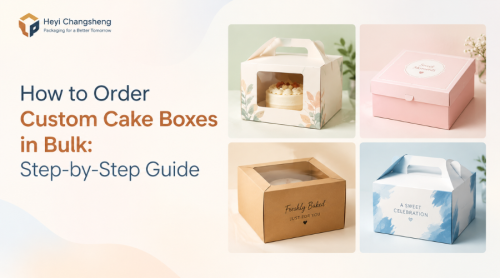
Key Takeaways Choose a cake box that suits the cake's weight, height, diameter, and number of tiers. Window boxes showcase cakes, while solid boxes offer more privacy and protection. Many bakeries need both options. Board thickness, structural design, and protective coatings help determine whether a box can withstand delivery. Food-safe materials and clear product labeling are essential for bakery packaging. Testing a sample with an actual cake is more reliable than relying on a specification sheet alone. A cake box serves three essential purposes: protecting a delicate product, representing your brand, and ensuring the cake reaches the customer in excellent condition. Choosing the wrong box can result in crushed icing, greasy marks, or damaged decorations. This guide explains common cake box styles, materials, sizing considerations, and the key factors to confirm before placing a bulk order with a bulk cake box manufacturer. Start With the Cake, Not the Box Measure your products before choosing a box style. Record the diameter, height, and weight of your five best-selling cakes. Include the cake board dimensions, as most cakes sit on a board that extends beyond the cake itself. Using one box size for every product can cause problems. For example, a 6-inch cake placed in a 10-inch box may slide around during transport. Similarly, a box that is too short can damage the cake's frosting and decorations. Instead, create three or four size ranges and assign suitable boxes to each range. Common cake box sizes include 4, 5, 6, and 8 inches, while larger and tiered cakes may require boxes measuring 12 inches or more. Always confirm the required dimensions based on the finished cake and its board. Common Cake Box Styles Standard Folding Cake Boxes Standard folding boxes are widely used in bakeries. They are supplied flat, assemble quickly, and feature locking tabs to secure the structure. These boxes are suitable for everyday cakes and slices. Their compact storage requirements and economical pricing make them a practical choice for bakeries handling high order volumes. Window Cake Boxes Window boxes feature a transparent panel, typically made from PET or another suitable packaging film. They allow customers to view the cake without opening the lid, making them popular for retail displays and decorated cakes. The window material should be food-contact safe where applicable and securely attached to prevent separation during handling. Tuck-Top and Lid-and-Base Boxes Tuck-top boxes feature a lid that folds into place, while lid-and-base boxes have separate top and bottom sections. These styles can create a more premium presentation and are suitable for celebration cakes, wedding cakes, gift sets, and high-end patisserie products. Pie-Style and Pop-Up Boxes Pie-style and pop-up boxes use convenient folding structures, often with a hinged lid. They are designed for efficient packing and are commonly used for pies, tarts, cheesecakes, and similar bakery products. Choose a design that provides enough clearance and support for the product. How Do You Choose the Right Cake Box Size? Measure the cake at its widest point, including decorations that extend beyond the sides. Then measure its total height, including frosting, toppings, and other decorations. Account for the cake board and any inserts needed to keep the cake stable. Choose a box that provides enough clearance to prevent the cake from touching the sides or lid while keeping excess space to a minimum. As a starting point, allow approximately 1–2 cm of clearance on each side and at least 3 cm above the cake. Adjust these measurements based on the cake design, board dimensions, and packaging structure. For tiered cakes and tall designs, consider boxes with additional height, reinforced bases, or internal supports. Test the finished packaging with the actual cake or a representative sample before confirming a bulk order. Material and Board Thickness Most cake boxes are made from paperboard or corrugated board. The right material depends on the cake's weight, dimensions, presentation requirements, and delivery conditions. White paperboard: Suitable for printed packaging and branded designs. Board weights may range from approximately 300 to 400 GSM, depending on the box construction and intended load. Kraft paperboard: Offers a natural brown appearance that suits artisan bakeries and businesses seeking a simple, understated packaging style. Corrugated board: Provides additional structural support and can be suitable for tall, heavy, or delivery-sensitive cakes. E-flute and B-flute options offer different thicknesses and protective properties. Board thickness and structural design are particularly important for larger cakes. For example, a 10-inch box carrying a 2 kg cake may require a reinforced base and sufficiently rigid sides. A lightweight board could bend or sag under the load. Ask the supplier to provide board specifications in writing. Request a sample, place a representative weight inside, and leave it under the expected load for a suitable period. Check for bending, sagging, weak joints, and damage before approving the packaging. Coatings and Grease Resistance Cream, butter, and ganache can leave grease marks on untreated paperboard. These stains can affect the packaging's appearance and create a poor impression of your brand. Consider an appropriate food-contact-safe barrier coating on surfaces that may come into contact with moisture or grease. Depending on the application, options may include a polyethylene (PE) layer, a suitable water-based barrier coating, or a compatible lining material. Confirm the material's suitability for the intended food-contact conditions and disposal requirements. Exterior finishes also influence the appearance and feel of the packaging: Matte lamination: Creates a subtle, refined appearance and can help reduce the visibility of fingerprints. Gloss finish: Enhances color contrast and creates a shiny surface. Soft-touch coating: Provides a smooth, tactile finish. Spot UV: Adds a glossy effect to selected elements, such as a logo. These finishes can increase production costs. Rather than selecting every available option, prioritize the coatings and finishes that improve product protection or support your brand identity. Request a quotation based on your preferred specifications and order quantity. Food Safety and Compliance Cake boxes and their components must meet the applicable food-contact requirements for their intended use and destination market. Ask suppliers for documentation supporting the suitability of the paperboard, coatings, adhesives, inks, and window films. Depending on the market, relevant requirements and standards may include: United States: Applicable FDA requirements for food-contact materials. European Union: Regulation (EC) No 1935/2004, where applicable, along with other relevant packaging and food-contact requirements. Packaging management systems: ISO 22000 or BRCGS Packaging Materials certification, where relevant to the supplier and product. Paper sourcing: FSC certification, if responsible forestry sourcing is an important requirement for your business. Request migration test data or other supporting documentation when required for the intended application. Pay attention to printing inks, particularly where printed surfaces could transfer substances to food through direct contact or other transfer pathways. Also, check whether restrictions on PFAS or other substances apply in your target market. Compliance requirements vary by location, material, and intended use, so confirm the applicable rules before placing a large order. Window Panels: Are They Worth It? Window panels let customers see a cake before purchasing it, making them useful for retail displays and visually appealing bakery products. However, a larger window can reduce the strength of the lid if the packaging is not properly designed. Window sizes vary according to the box design. Some cover approximately 40–60% of the lid, while others use smaller or larger panels. Choose a size that provides good visibility without compromising the box's structural integrity. Common window materials include: PET film: Often selected for its transparency, durability, and affordability. PLA film: A plant-based alternative that may be suitable for specific packaging applications. Its performance and compostability depend on the material formulation and available disposal facilities. Whichever material you choose, confirm that it meets the applicable requirements for the intended application and is securely attached to the box. Loose or poorly bonded film can peel away during handling or delivery. For bakeries that focus primarily on delivery, a solid lid may be more practical because it offers a more enclosed structure and can reduce exposure during handling. The best option depends on the cake, delivery method, and presentation requirements. What Is the Best Cake Box Style for Delivery? For delivery, prioritize structural strength, a secure closure, and a stable base. A suitably designed corrugated box may be appropriate for tall or heavy cakes, while a well-constructed folding box can work for lighter products. Consider the following features: A reinforced base that supports the cake's weight. A secure lid that stays closed during transport. A cake board or insert that helps prevent movement. Sufficient internal height to protect frosting and decorations. Materials that resist the expected handling and moisture conditions. Window panels are not always necessary for delivery packaging. If visibility is not a priority, a solid lid may offer a simpler design. However, the box's overall construction and fit matter more than the presence or absence of a window alone. Handles, Inserts, and Add-Ons Additional features can improve convenience and help keep cakes stable during transport. Select them according to the product's size, weight, and handling requirements. Handles Handles can make larger cake boxes easier to carry. Cut-out handles are a simple option, but they may weaken the lid if they are not properly reinforced. Rope or ribbon handles can offer an alternative for premium packaging, provided they are securely attached and suitable for the expected load. Internal Supports and Inserts Tall cakes may require internal support boards or corrugated inserts to reduce movement during vehicle transport. Inserts can also help secure the cake board and keep the product centered inside the box. Non-Slip Components A suitable non-slip mat or insert beneath the cake board can help limit sliding. The component should fit securely and be compatible with the intended food-packaging application. Consider these features during the initial packaging design rather than treating them as optional extras. A suitable insert or reinforced base may help reduce damage and customer complaints. Branding and Print Options Printed packaging can turn a cake box into a useful branding tool. The right printing method depends on your order quantity, design complexity, budget, and required finish. Offset printing: Often suitable for larger production runs that require consistent, detailed colors. Digital printing: Useful for shorter runs and designs that require greater flexibility. Hot foil stamping: Adds metallic details, such as gold or silver accents. Embossing: Creates a raised design or logo for a textured appearance. Keep the design simple and recognizable. A clear logo, a restrained color palette, and consistent typography can create a professional appearance without making the packaging unnecessarily complicated. Leave sufficient space for any required product information, including ingredients, allergens, dates, and other applicable labeling details. Confirm local labeling requirements before approving the final artwork. Printing relevant information directly onto the box may also reduce dependence on separate labels, depending on your production process. MOQ, Pricing, and Lead Times Minimum order quantities (MOQs), production costs, and lead times vary according to the box style, dimensions, materials, printing method, and level of customization. Minimum Order Quantities Some stock packaging options may be available in quantities of 100–500 pieces. Custom-printed cake boxes may require minimum orders of approximately 1,000–5,000 pieces, depending on the supplier and specifications. Tooling and Production Costs Custom die-cut shapes may involve tooling fees. A simple cutting die might cost approximately $100–$500, although the actual amount depends on the design, dimensions, and supplier. As an indicative estimate, printed folding boxes may cost around $0.20–$0.60 per unit, while rigid or window boxes may range from approximately $0.80 to $3.00 or more per unit. These figures are illustrative rather than guaranteed quotations. Actual prices depend on order volume, board specifications, finishing, printing, and shipping. Production and Shipping Lead Times Stock items may be dispatched within two to three weeks, while customized orders may require approximately three to six weeks for production before shipping. Confirm the schedule with your supplier, including artwork approval, sampling, manufacturing, inspection, and transportation. Some exporters offer volume-based discounts on orders exceeding 10,000 pieces. Ask for a detailed quotation that separates unit costs, tooling, printing, packaging, and shipping charges. A custom bakery packaging exporter with in-house printing and die-cutting capabilities may offer better control over production scheduling and quality, but this should be verified during supplier evaluation. How to Vet a Supplier Before a Large Order Choosing the right supplier is as important as selecting the right box. Before committing to a large order, review the supplier's production capabilities, quality-control procedures, and experience with bakery packaging. Use the following checklist: Check references: Ask for examples of previous bakery packaging projects and relevant customer references. Verify certifications: Review relevant certificates and confirm their scope, validity, and issuing organizations. Inspect samples: Request samples from at least three suppliers and test them with representative cakes. Conduct delivery tests: Simulate expected handling and transport conditions to identify movement, crushing, or closure problems. Review quality control: Discuss inspection procedures, defect classifications, and agreed acceptance criteria. An AQL of 2.5 may be considered for certain inspections, but the appropriate sampling plan should be agreed upon in advance. Consider independent inspection: For large orders, third-party inspection services from organizations such as SGS or Intertek may help verify product quality. Obtain a quotation because costs vary by location and inspection scope. Check shipping cartons: Confirm that the outer cartons protect the boxes during transport and that flat-packed packaging is efficiently arranged to reduce freight volume. Document the approved sample, material specifications, print requirements, tolerances, and inspection criteria before production begins. This gives both parties a clear reference for evaluating the finished order. Conclusion The right cake box should suit the cake, the customer, and the delivery conditions. Start with accurate measurements, select a suitable board and protective coating, and confirm that the materials meet applicable food-contact requirements. Test samples with real products before committing to a large order. A reliable bulk cake box manufacturer should be able to explain the available materials, customization options, production process, and quality-control procedures. By evaluating these factors in advance, bakeries can reduce packaging-related damage, improve product presentation, and deliver cakes that arrive looking as intended. Frequently Asked Questions (FAQs) Who is a bulk cake box manufacturer for bakery chains or retailers? A bulk cake box manufacturer supplies cake packaging in large quantities to bakeries, retail chains, and food businesses. Look for suppliers with suitable production facilities, documented quality-control processes, and food-contact compliance documentation. Custom orders may have MOQs of approximately 1,000–5,000 pieces, depending on the supplier and specifications. What is the wholesale price of cake boxes? Wholesale cake box prices vary according to size, material, structure, printing, and order volume. As an indicative estimate, prices may range from approximately $0.20 to $3.00 or more per box. Request a quotation based on your exact requirements. Who provides printing and branding support for bakery packaging exports? Many bakery packaging manufacturers and exporters offer custom printing, logo placement, and finishing options. Ask about available printing methods, artwork requirements, sample approval, and minimum order quantities, which may range from 1,000 to 5,000 pieces for some custom orders. Who offers bulk cake boxes with customization at discounted rates? Some manufacturers and exporters offer volume-based discounts on customized orders, particularly for repeat customers and larger quantities. Orders exceeding 10,000 units may qualify for discounts, depending on the supplier's pricing policy and production costs. Compare quotations and confirm all charges before placing an order. How long does custom cake box production take? Stock packaging may be dispatched within two to three weeks, while custom orders may take approximately three to six weeks for production. Actual lead times depend on design approval, sampling, order volume, manufacturing capacity, and shipping arrangements.
 Oct 22 2026
Read More
Oct 22 2026
Read More